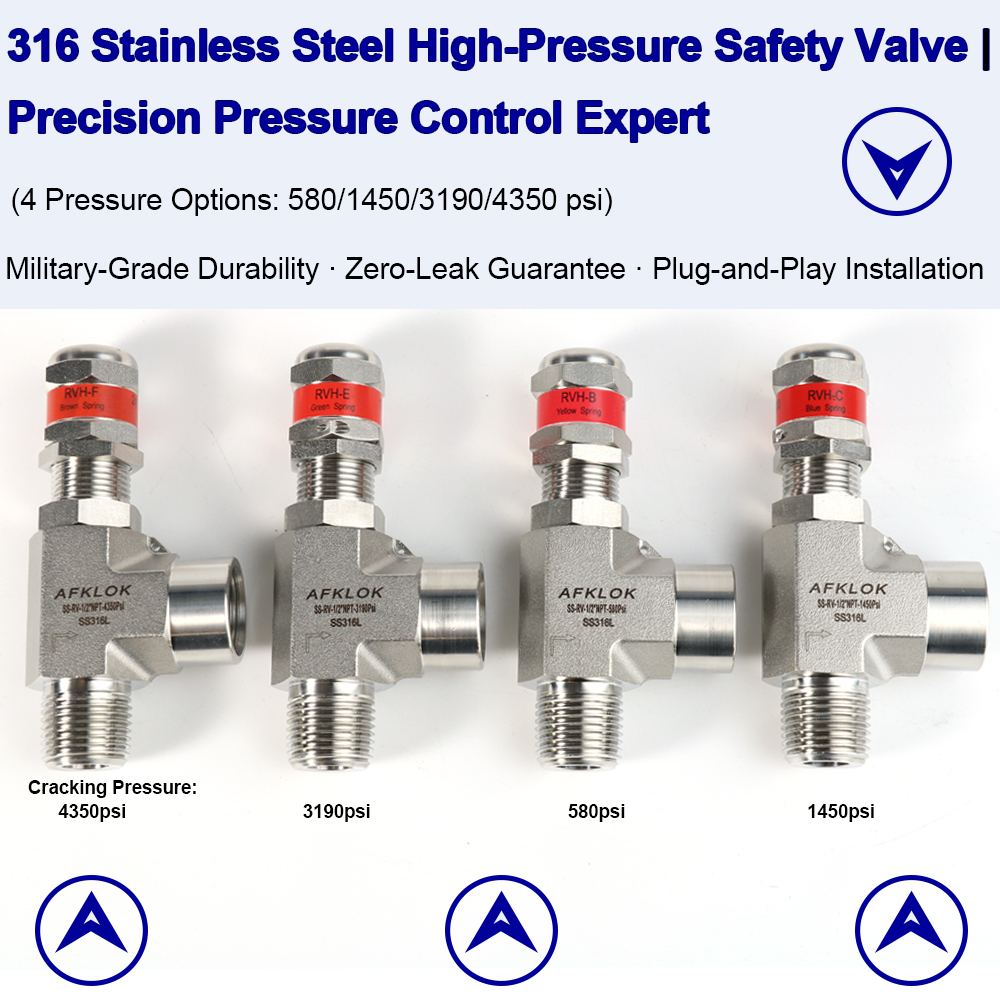
Industrial safety’s critical line of defense, it is an indispensable safety accessory for boilers, pressure vessels, pipeline systems, and more, hailed as the “final protective device.”
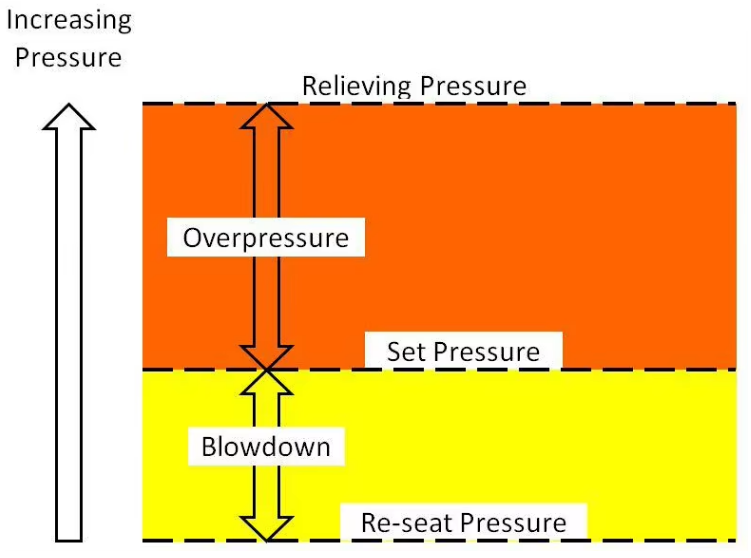
How does a safety valve work?
When the system pressure exceeds the set pressure, the pressure relief valve opens, allowing the medium to flow out and release the system pressure. It closes when the system pressure drops back to the resealing pressure.

Key Steps: How to Properly Use a Safety Valve?
Step 1: Correct Selection and Installation
①Selection Basis: Medium (type of fluid), temperature, pressure, and required discharge capacity.
②Installation Standards: Install vertically, keep inlet/outlet piping short and direct, ensure the outlet is unobstructed, and never install a shut-off valve between the device and the safety valve.
Step 2: Professional Setting and Periodic Calibration
①Pressure Setting: Must be performed by qualified personnel on a calibration bench. Unauthorized adjustment is strictly prohibited.
②Periodic Calibration: A legal requirement, typically performed at least once a year to ensure it always “remembers” its set function.
Step 3: Daily Operation and Maintenance
①Operational Checks: Monitor for leaks and perform a manual lift test (if a test lever is present).
②Maintenance: Keep the valve clean, prevent corrosion and jamming, and establish a maintenance log.
Common Misconceptions and Risks
Strictly Prohibited Actions: Never jam the valve disc, never adjust the set pressure without authorization, and never install a shut-off valve to isolate it.
Severe Consequences: The failure of a safety valve is equivalent to removing the last line of defense, which may lead to a catastrophic overpressure explosion.
Post time: Dec-08-2025