In practical operating conditions, valve leakage is primarily categorized into two main causes: external leakage and internal leakage. External leakage can lead to loss of medium, environmental pollution, and even safety incidents; internal leakage, on the other hand, affects system regulation accuracy, results in energy waste, and reduces equipment operating efficiency.
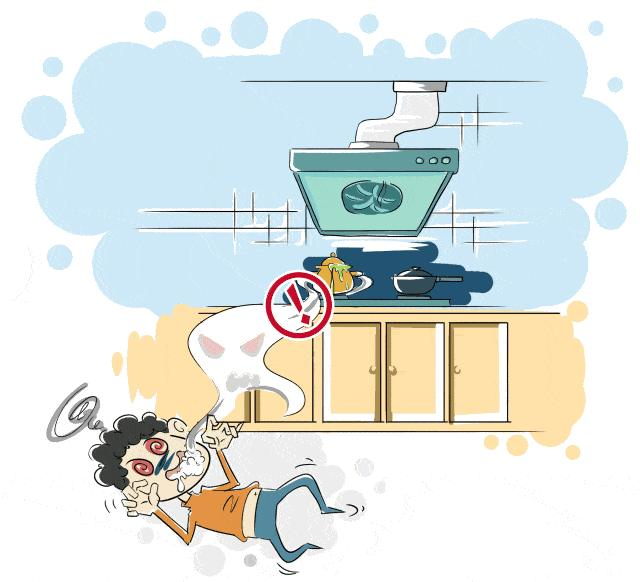
External Leakage in Valves
1. External Leakage at the Valve Stem Area
The core cause of this type of leakage lies in the failure of the packing seal. With use, the valve stem experiences wear, and factors such as medium corrosion and temperature changes cause the packing to gradually age. This leads to the formation of sealing gaps, allowing the medium to seep out along the valve stem.
2. External Leakage at Connection Points
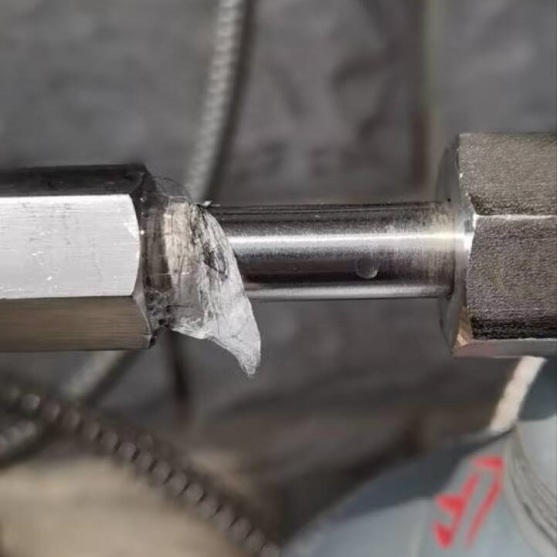
3. External Leakage Caused by Valve Body Casting Defects
When quality issues arise during valve body production, such as porosity or cracks in the casting, these defects can gradually expand under the pressure of the medium during long-term service.
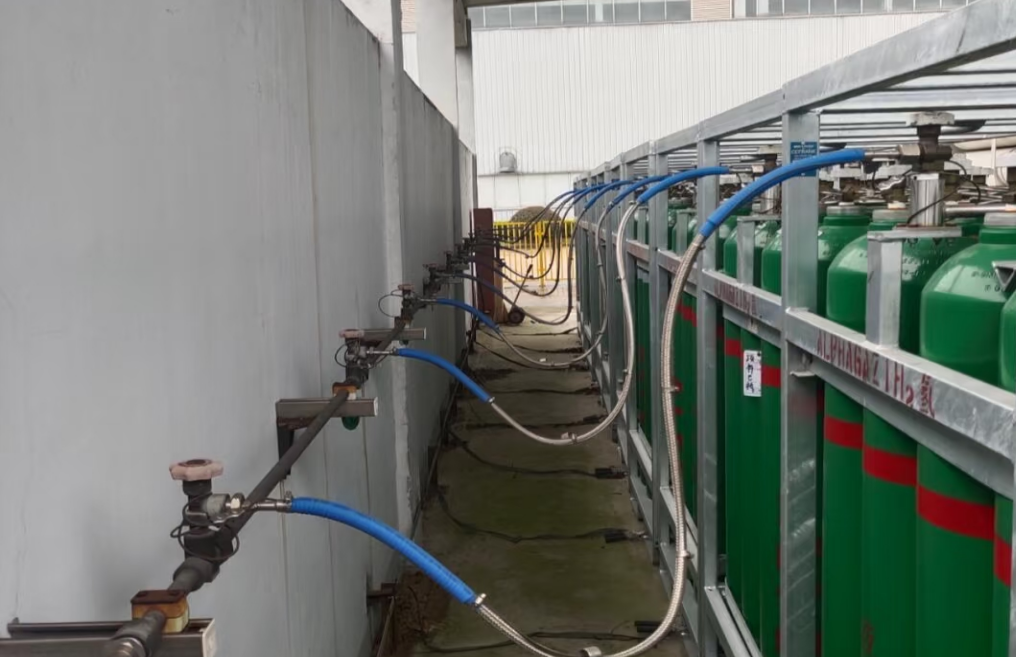
Internal Leakage in Valves
1. Wear and Damage to Sealing Surfaces
Sealing surfaces can be damaged by various factors:
①The presence of solid particles or impurities in the medium can easily scratch the sealing surfaces.
②High-pressure operating conditions can cause deformation of the sealing surfaces due to impact forces.
③Strong acids or alkalis can corrode the material of the sealing surfaces.
2. Improper Valve Opening or Closing
Operators may fail to rotate the valve to the fully sealed position during opening or closing operations.
3. Deformation or Jamming of the Valve Stem
Prevention and Control Measures for Valve Leakage
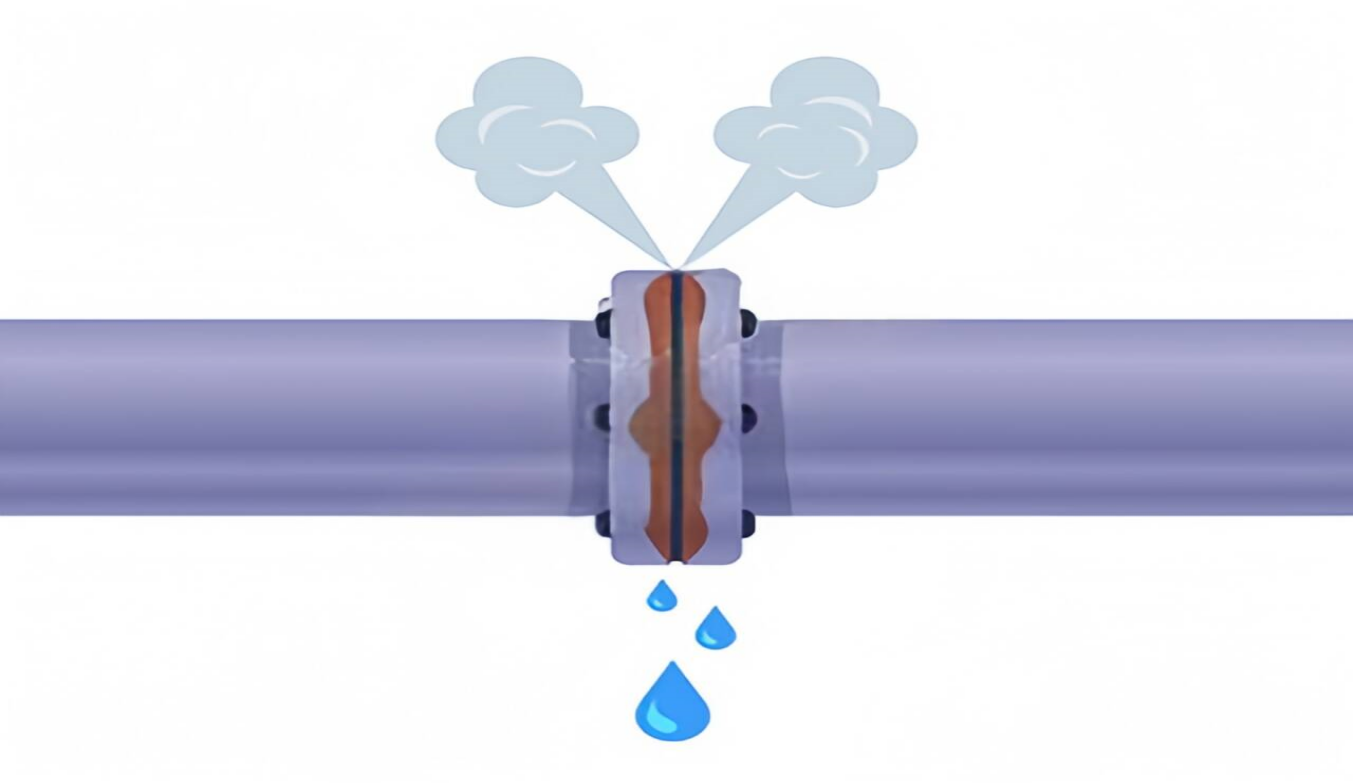
Scientific Selection to Match Operational Requirements.
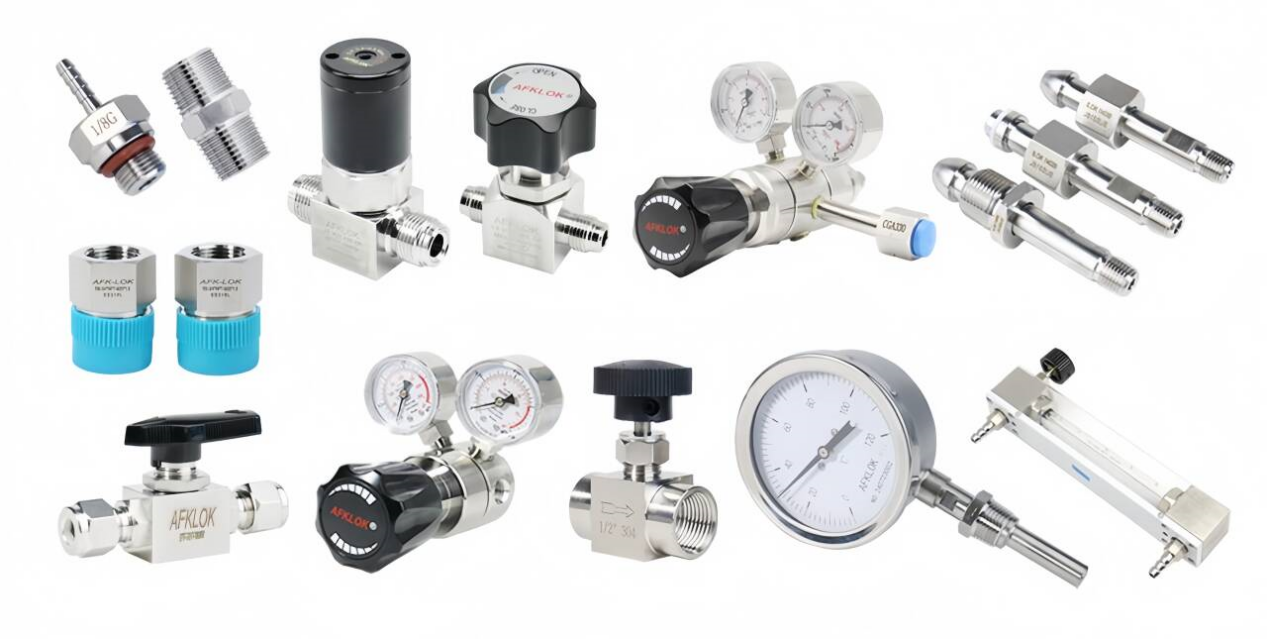
1. Select the appropriate valve type and sealing material based on parameters such as the properties (e.g., corrosivity), temperature, and pressure of the medium. For example, when conveying highly corrosive media, options like fluorine-lined valves or stainless steel valves can be chosen.
2. Standardized Installation to Control Construction Quality.
①Valves should be installed in locations that are easily accessible, operable, and maintainable.
②The valve installation direction must align with the medium flow direction, and the arrow marking on the valve body must be clearly visible.
③The connection between the valve and the pipeline must maintain identical connection specifications.
④Valves installed on pipelines carrying hazardous media should be positioned away from ignition sources, high-temperature equipment, and flammable materials.
⑤Leak testing should be performed on installed valves, using methods such as pneumatic testing or pressure testing with the medium.
3. Regular Maintenance to Extend Seal Service Life.
Post time: Dec-23-2025