Corrosive fluid handling is one of the most demanding working scenarios for industrial pipeline systems. Whether it is concentrated acid-base delivery in chemical plants, corrosive plating solution circulation in electroplating workshops, or flue gas desulfurization slurry transmission in power plants, every wetted valve component faces continuous chemical erosion. Most procurement teams initially select general-purpose valves to reduce upfront costs, only to face frequent replacement, unexpected leakage and production downtime within months. Statistics from the global fluid control industry show that ordinary valves have an average service life of only 6 to 12 months in strong corrosive environments, and corrosion-induced sealing failures account for more than 60% of all pipeline fault incidents.
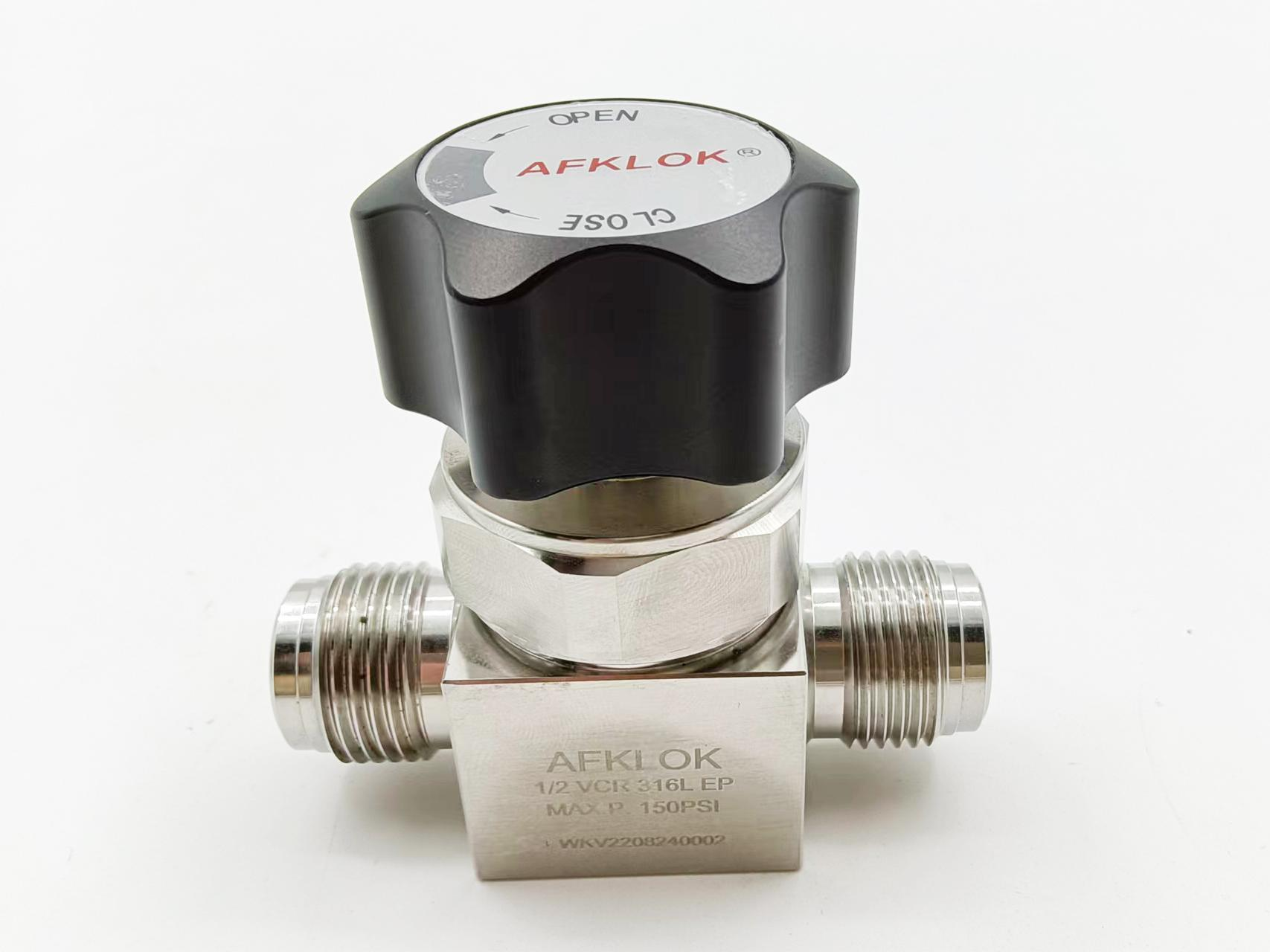
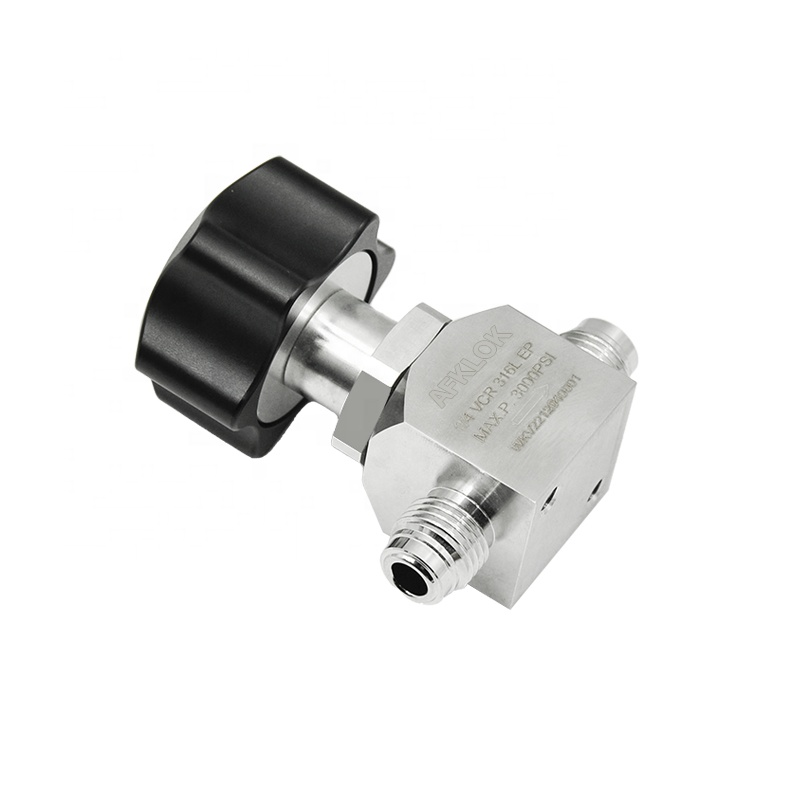
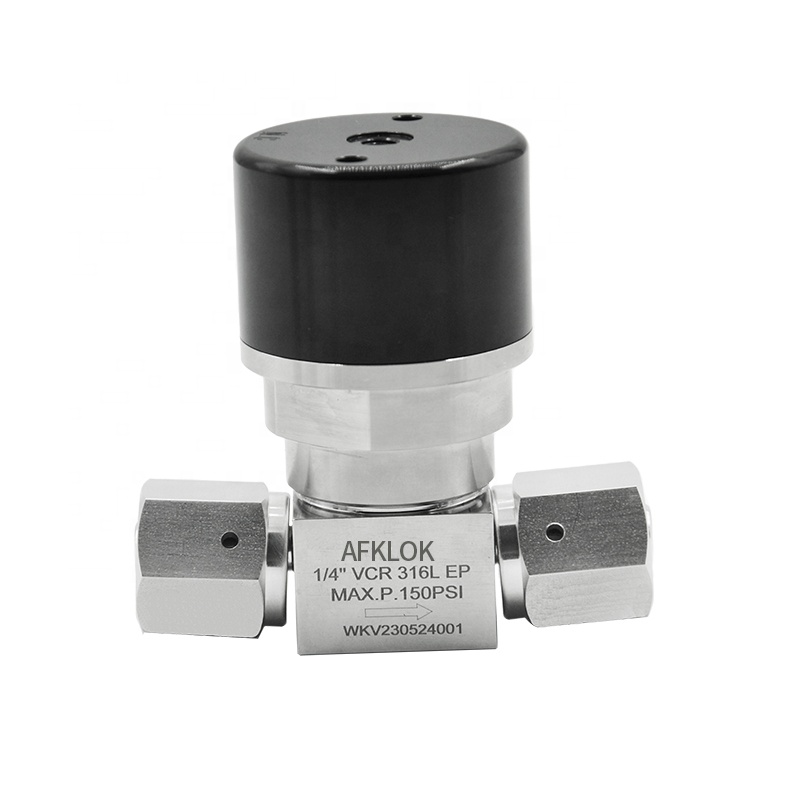
Against this industry-wide challenge, manual diaphragm valves has emerged as the most cost-effective fluid control solution for corrosive media. With decades of experience in harsh-environment fluid component R&D and manufacturing, AFK has optimized material formulation and structural design for its manual diaphragm valve series, targeting the root causes of corrosion failure. Widely deployed in corrosive process pipelines across 20+ countries, AFK diaphragm valves deliver 3–5 times longer service life than standard valves, significantly reducing total ownership costs for industrial operators.
Part 1: Core Failure Risks of Standard Valves in Corrosive Environments
Conventional valves share a common structural flaw: internal transmission parts and sealing elements are in direct contact with the flowing medium. In corrosive environments, this design triggers four cascading operational risks:
1
Seal element degradation and media leakage Ordinary rubber or plastic sealing rings erode rapidly when exposed to strong acids, oxidants and organic solvents. Cracked and swollen seals cause external leakage of corrosive media, which damages surrounding equipment, pollutes the working environment and violates occupational safety and environmental protection regulations.
2
Valve body pitting and structural failure Standard cast iron or 304 stainless steel valve bodies suffer gradual pitting and corrosion thinning after long-term contact with corrosive fluids. In severe cases, the valve body may perforate, resulting in large-scale medium spillage and forced full-line shutdown for emergency replacement.
3
Internal component seizure and operation failure Corrosive media crystallize and scale on valve stems, spools and transmission threads, causing valve jamming. Operators cannot open, close or adjust flow normally, disrupting process parameter stability and reducing product qualification rates.
4
Increased maintenance and safety hazards Frequent disassembly, repair and replacement of corroded valves not only raise labor and spare parts costs, but also expose on-site personnel to risks of corrosive medium splashing and chemical burns during maintenance operations.
Part 2: Key Advantages of Manual Diaphragm Valves for Corrosive Service
Manual diaphragm valves solve the above problems through a unique medium-isolation structural design, forming inherent advantages that conventional valves cannot match in corrosive environments:
1
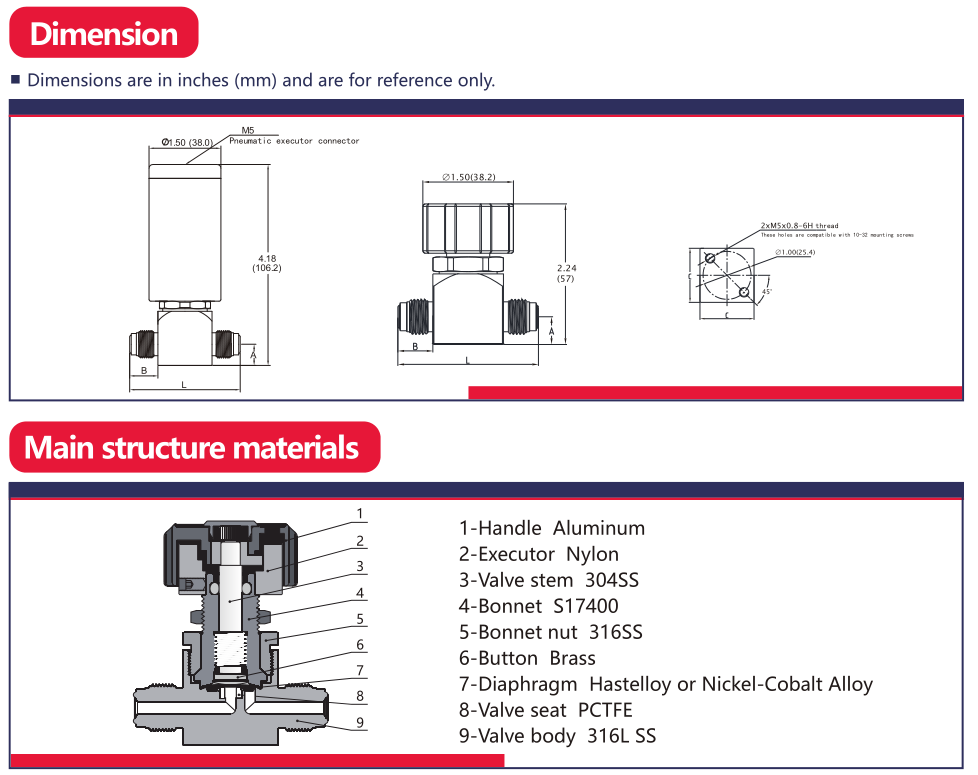
Full isolation of operating parts from corrosive media The flexible diaphragm acts as a complete barrier between the fluid cavity and the upper valve actuator. The handwheel, valve stem and transmission components never contact corrosive media, fundamentally eliminating internal corrosion of operating parts and extending the valve’s mechanical service life significantly.
2
Zero dead-angle flow path reduces scaling and clogging The smooth straight-through flow channel has no cavities, gaps or exposed transmission parts, so corrosive slurries and crystalline media can pass through without retention. This avoids scaling buildup inside the valve body and reduces jamming failures caused by medium crystallization.
3
Bubble-tight sealing without additional packing The diaphragm itself serves as the sealing element, achieving reliable bidirectional sealing without packing glands. There is no external leakage path for corrosive media, which greatly improves on-site operation safety and meets strict environmental emission requirements.
4
Power-independent manual operation adapts to harsh site conditions The manual handwheel design requires no electrical or pneumatic actuators, avoiding actuator corrosion and circuit failure problems common in corrosive workshops. It maintains normal flow regulation even in humid, acid-fog filled production environments with unstable power supply.
Part 3: AFK Engineered Upgrades for Extreme Corrosive Conditions
On the basis of standard diaphragm valve structures, AFK carries out targeted material and process upgrades for extreme corrosive working conditions, forming five core competitive advantages:
Multi-layer composite corrosion-resistant diaphragm AFK adopts a PTFE + EPDM composite diaphragm structure. The PTFE layer contacts corrosive media directly, resisting strong acids, strong alkalis and most organic solvents, while the EPDM layer provides elastic support for stable switching performance.
Customizable valve body lining options Customers can select PVC, PFA, PTFE or rubber lined valve bodies according to medium concentration and temperature. All lined surfaces are tightly bonded without peeling, providing full protection for the valve body substrate.
Modular design for low-cost maintenance Worn diaphragms can be replaced on site without removing the entire valve from the pipeline. Maintenance time is reduced by more than 70% compared with conventional valves, and spare parts are available from AFK’s warehouses.
Wide pressure and temperature adaptation Suitable for low and medium pressure corrosive pipelines with working temperatures from -10°C to 120°C, covering most chemical, electroplating and environmental protection process conditions.
Part 4: Primary Application Scenarios in Corrosive Fluid Industries
AFK corrosion-resistant manual diaphragm valves cover mainstream corrosive fluid processing scenarios, including but not limited to:
1
Chemical processing: Used for delivery and regulation of acids, alkalis, solvents and corrosive intermediates.
2
Electroplating & surface treatment: Controls plating solution, pickling solution and oxidant transmission in electroplating and anodizing lines.
3
Flue gas desulfurization & denitrification: Regulates corrosive slurry and desulfurization agent flow in industrial waste gas treatment systems.
4
Pharmaceutical & fine chemical: Controls corrosive raw material dosing and reaction material conveying for API production lines.
Conclusion
For industrial pipelines handling corrosive media, valve selection directly determines production continuity, safety compliance and long-term operating costs. Choosing general-purpose valves for short-term cost savings will inevitably lead to higher subsequent maintenance and shutdown losses. The inherent isolation structure of manual diaphragm valves fundamentally solves the corrosion failure problem of wetted and operating parts, making them the most reliable fluid control solution for corrosive environments.
As a global trusted supplier of fluid system components, AFK continues to optimize material matching and structural design based on actual on-site working conditions, providing stable, safe and fully traceable corrosion-resistant valve products for the global chemical, environmental protection and surface treatment industries. For enterprises pursuing long-term stable operation in corrosive working conditions, AFK manual diaphragm valves are a high-return investment that reduces maintenance costs, eliminates leakage risks and extends pipeline system service life.
Media Contact & Company Profile
For technical datasheets, material compatibility tables, project case studies or bulk quotation requests, contact the AFK Global Fluid Solutions Team. AFK specializes in R&D, manufacturing and global distribution of industrial valves, pipeline fittings and fluid control components for gas and liquid systems, chemical, semiconductor, medical and new energy industries worldwide. All products are manufactured under standardized quality management systems with complete batch traceability documentation and multi-regional after-sales technical support.