Driven by the dual carbon goals, China’s photovoltaic (PV) industry has achieved rapid expansion. Its newly installed capacity is expected to exceed 200 GW in 2025, making it the core engine of global energy transition. While people marvel at the continuous breakthroughs in PV module efficiency and the steady decline in levelized cost of electricity, few notice a sophisticated specialty gas system operating silently inside clean cell production workshops. Acting as the “invisible blood vessels” of PV manufacturing, it delivers the “industrial fluids” that determine product performance and underpins industrial upgrading and technological breakthroughs.
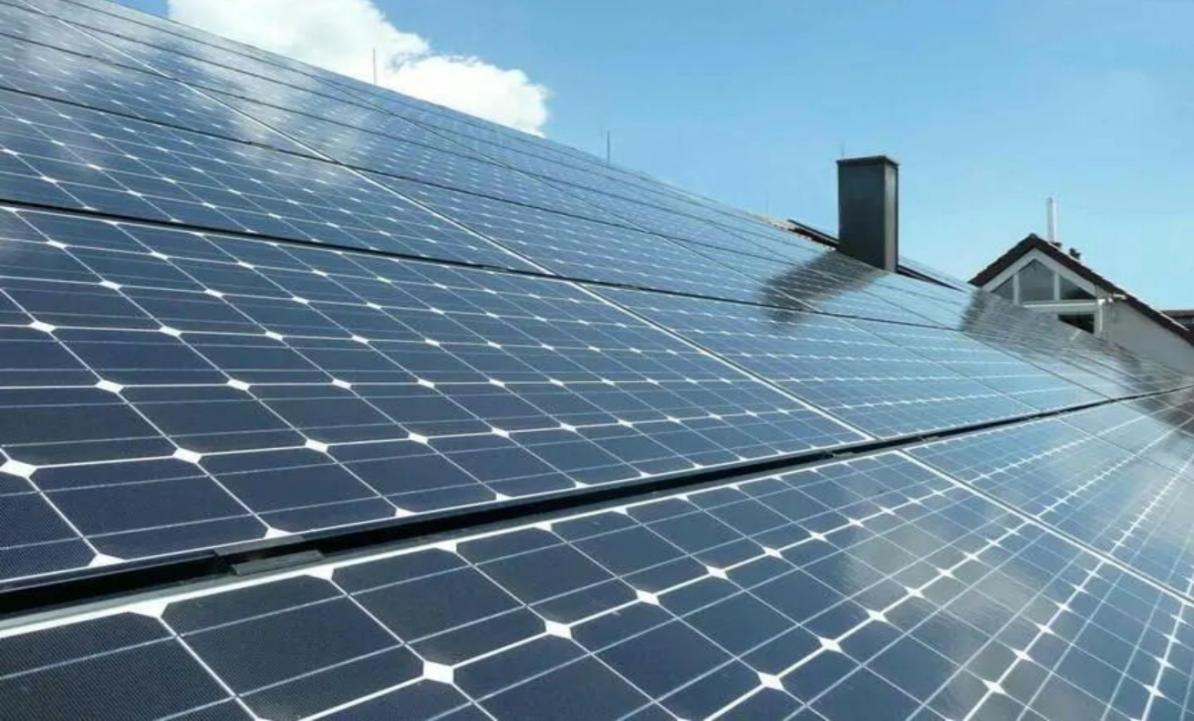
Part 1 Full-process Penetration: Specialty Gas Systems as the “Invisible Framework” of PV Manufacturing
Many view PV manufacturing as a simple chain of silicon material → silicon wafer → solar cell → module. In reality, specialty gases are indispensable for every core process from silicon wafer treatment to cell formation, and specialty gas systems serve as the core carrier ensuring stable, ultra-high-purity gas supply.
The first step of cell production is diffusion. Phosphorus oxychloride (POCl₃), used as a dopant source, is carried into high-temperature diffusion furnaces by nitrogen carrier gas to form PN junctions on silicon wafer surfaces — the foundation for photoelectric conversion in PV cells. Specialty gas systems precisely regulate gas flow rates and ratios to guarantee uniform phosphorus doping, avoiding electric leakage caused by uneven local concentration.
Next comes etching. Etching gases such as carbon tetrafluoride (CF₄) act via plasma to remove phosphosilicate glass on wafer edges, isolating upper and lower electrodes to prevent short circuits. The most critical procedure is PECVD: silane (SiH₄) and ammonia (NH₃) react under plasma to deposit silicon nitride anti-reflection coatings. This coating not only reduces light reflection and boosts light absorption but also passivates silicon wafer surfaces to lower carrier recombination.
PV manufacturing imposes extremely stringent purity requirements on process gases. Even ppm-level (parts per million) moisture or metallic impurities can cut cell conversion efficiency by over 10%. Through multi-stage purification, precision filtration and constant-pressure delivery, specialty gas systems maintain stable gas supply to process chambers, constituting a core guarantee for high PV cell yield rates.
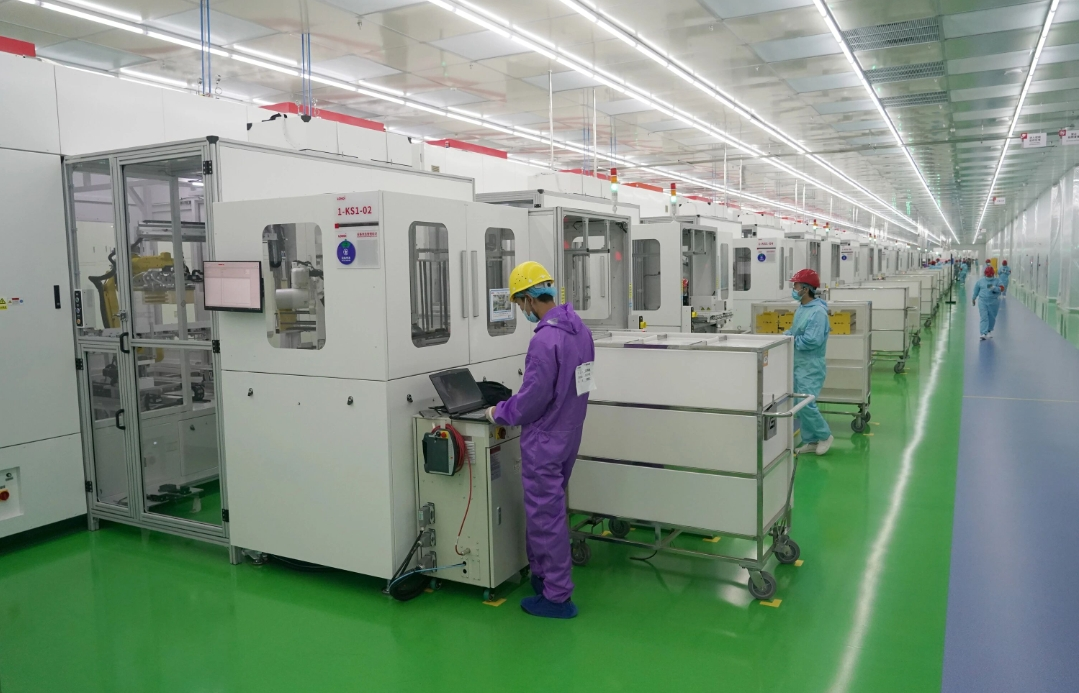
(Figure: PV cell production workshop)
Part 2 Iteration Drives Upgrades: Specialty Gas Systems Navigate New Challenges in the N-type Era
Specialty gas systems adequately met the demands of the P-type PERC era. However, the widespread adoption of high-efficiency N-type cell technologies including TOPCon and HJT has forced comprehensive upgrades to specialty gas systems.
N-type cells deliver superior conversion efficiency, which relies on extreme purity of raw materials. Take TOPC on cells as an example: their core tunnel oxide layer and doped polysilicon layer are highly sensitive to impurities. Trace metal ions such as iron and copper will increase carrier recombination and directly reduce cell efficiency. Accordingly, silane purity for TOPC on processes has risen from 5N (99.999%) in the P-type era to above 6N (99.9999%), while hydrogen used for passivation requires purity up to 9N (99.9999999%).
HJT cells have even stricter standards. Their amorphous silicon passivation layers barely tolerate carbon and oxygen impurities: carbon content exceeding 1 ppm will drastically raise thin-film defect density and severely weaken passivation performance. Meanwhile, N-type cells consume far more specialty gas per unit capacity. P-type cells only consume 16 tons of electronic-grade silane per GW, versus 24 tons per GW for N-type cells. N-type production also introduces demand for additional dopant specialty gases such as phosphine and diborane.
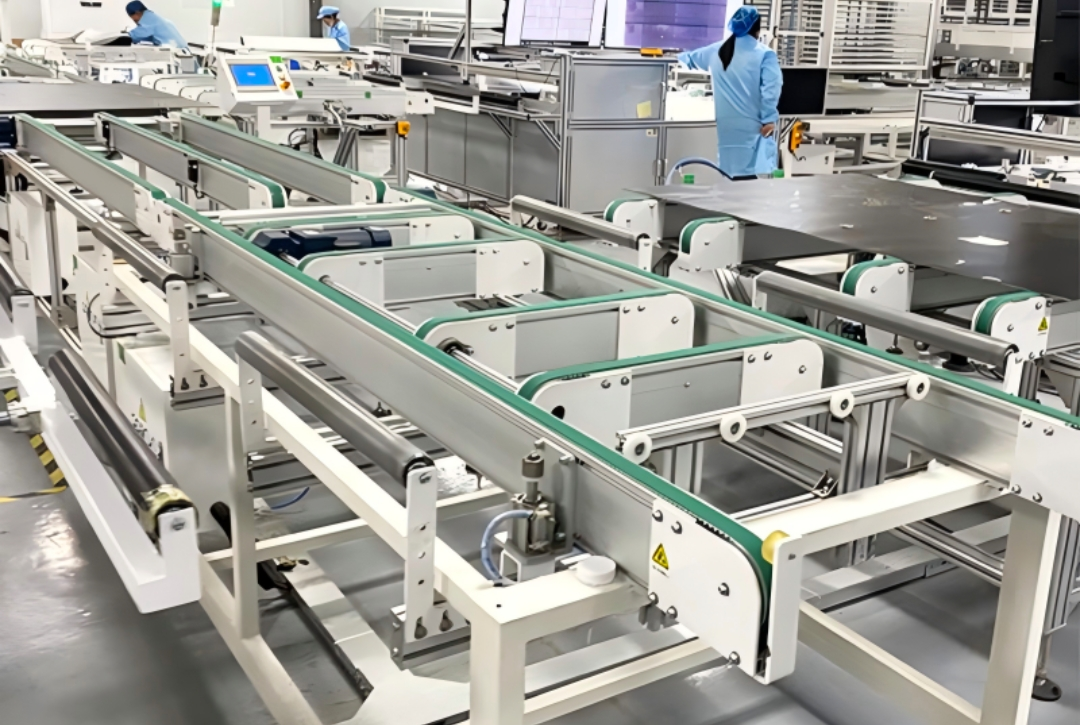
(Figure: PV equipment manufacturing)
Part 3 Domestic Breakthroughs: A New Landscape of Independent Specialty Gas Industrial Chains
Amid the nationwide localization drive of the PV industry, domestic specialty gas raw material manufacturers have achieved breakthroughs, alongside system service providers specializing in the new energy PV sector.
As a national high-tech enterprise and a “Specialized, Refined, Unique and Innovative” firm, Wofly Technology holds full industry qualifications including GC2 pressure pipeline certification and electromechanical installation credentials. With over a decade of experience in PV specialty gas engineering, it focuses on full-range high-efficiency TOPCon and HJT cell production lines, delivering one-stop closed-loop services covering specialty gas system planning, design, construction, operation & maintenance, and tail gas treatment — bridging the final gap for the application of domestically produced specialty gas raw materials.
Take electronic-grade silane, the most widely used specialty gas in PV manufacturing. The industry once relied almost entirely on imports, yet its domestic localization rate for PV applications now exceeds 80%, realizing basic independent control.
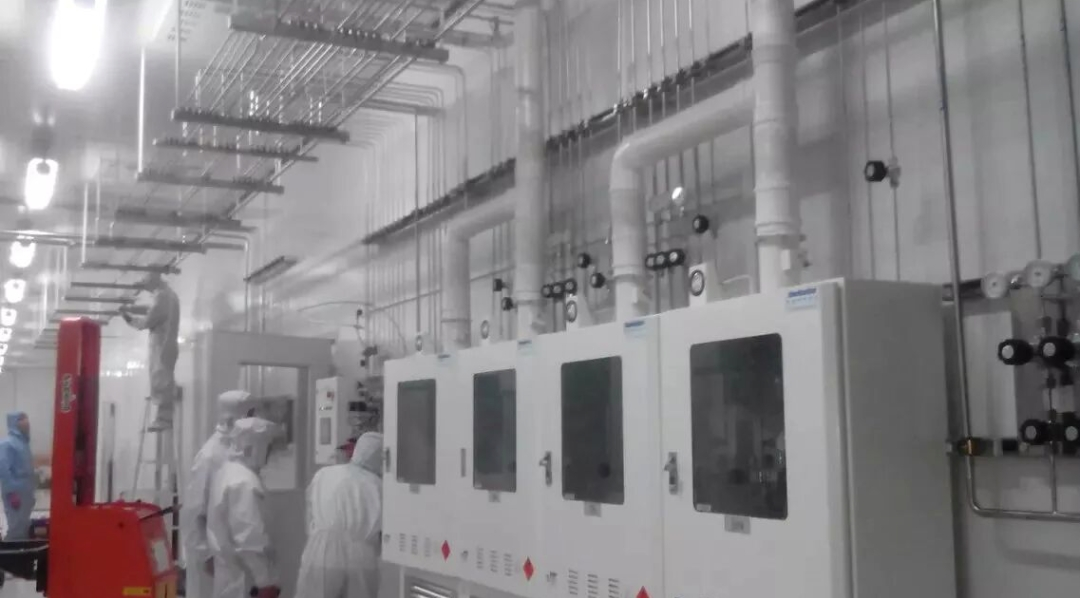
(Figure: Specialty gas engineering project by Shenzhen Wofly Technology)
For high-end dopant gases including phosphine and diborane, Shenzhen Wofly Technology independently develops PV-specific gas cabinets, VMB valve manifold boxes and intelligent pressure-stabilized delivery modules. These products achieve ppt-level impurity isolation and sccm-level precise flow control, fully complying with ultra-high-purity gas supply standards for N-type cells. They also support low-cost retrofits of legacy P-type production lines, balancing production safety and cost reduction. Industry projections indicate the overall localization rate of domestic electronic specialty gases will surpass 80% by 2028, forming a dual self-sufficient system of gas sources and supporting systems. Wofly Technology continues to support large-scale specialty gas projects in major PV industrial parks, strengthening the supporting capacity of the industrial chain.
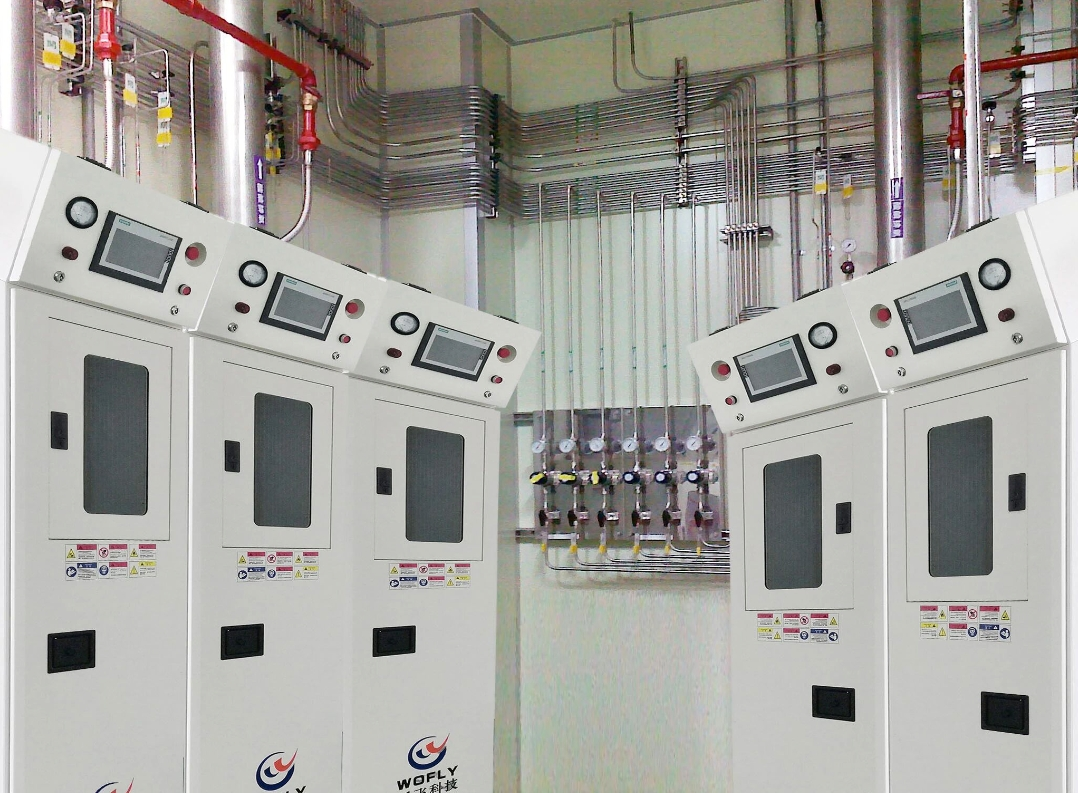
(Figure: Specialty gas engineering project by Shenzhen Wofly Technology)
In parallel, industrial specialty gas systems are shifting toward green intelligence. Aligned with PV factories’ demands for safe and low-carbon production, Wofly Technology develops fully intelligent monitoring specialty gas systems. These platforms monitor pressure, purity and leakage data 24/7, equipped with linked emergency shutdown systems to strengthen workshop safety safeguards. Matched dedicated process tail gas recovery and purification devices improve the reuse rate of high-purity gases, cut specialty gas consumption costs for PV production lines, and meet the industry’s dual targets of carbon reduction and compliant production. The company creates a full-cycle ecosystem for safe, efficient and low-carbon application of PV specialty gases.
From the shift from P-type to N-type cells, and from reliance on imported gas sources to domestically self-developed systems, breakthroughs across the entire specialty gas industrial chain are accelerating. Focused on system engineering, Shenzhen Wofly Technology collaborates with domestic gas source manufacturers to address bottlenecks in PV specialty gas supporting infrastructure. Though hidden inside workshops, specialty gas systems underpin the improvement of PV production quality and efficiency. As perovskite technology advances, the dual empowerment of domestic gas suppliers and local specialty gas engineering service providers will further consolidate China’s global competitive edge in the PV industry.
Post time: Jun-22-2026